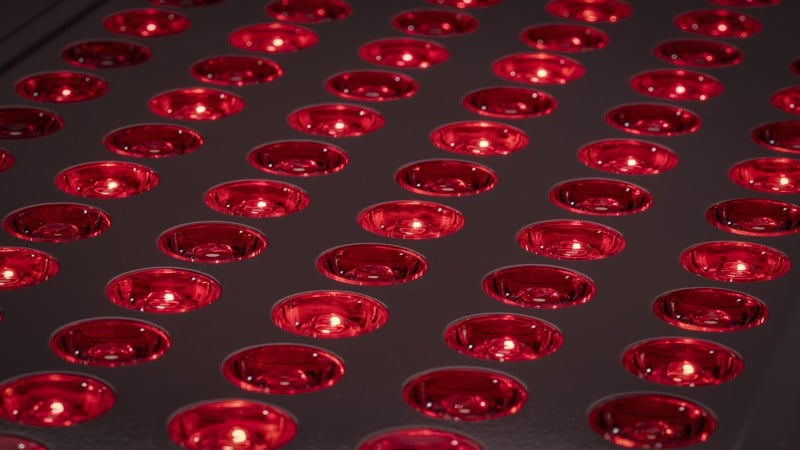
Red light therapy is showing up everywhere—from expensive wellness centers to inexpensive panels on Amazon. But before you buy one, there is something important to understand:
Not all red light is created equal.
Red light therapy, more accurately called photobiomodulation (PBM), uses specific wavelengths of red and near-infrared light to influence biological activity in our cells. Research suggests that these wavelengths can interact with mitochondria, the energy-producing structures inside our cells, and may influence energy production, inflammation, circulation, repair, and recovery.
But here’s the catch: the wavelength matters, the strength matters, the dose matters, and how the light is delivered matters. Research has not established one perfect protocol for every condition, and too much light is not necessarily better.
What can red light therapy do?
Research is finding potential benefits in several areas:
- Pain and inflammation: PBM has been studied for joint and muscle pain, arthritis, and other inflammatory conditions.
- Tissue repair and healing: Red and near-infrared light may support the body’s natural repair processes.
- Muscle recovery: Studies suggest benefits for recovery from fatigue and exercise.
- Brain and cognitive function: Emerging research suggests PBM may influence brain circulation, metabolism, and cognitive function.
- Nerve health: PBM is being investigated for peripheral neuropathy and nerve-related pain.
- Hair growth: Research supports its use for certain types of hair loss.
- Skin health: Red light may support collagen production, skin repair, and overall skin appearance.
- Cellular energy: One of the most intriguing areas of research is the effect of PBM on mitochondria and cellular energy production.
But some of the research is downright surprising.
Could red light influence the thyroid?
A study of 350 people with Hashimoto’s thyroiditis found that those receiving photobiomodulation along with vitamin D, iron and selenium had greater improvements in T3, the T3/T4 ratio and thyroid peroxidase antibodies than those receiving the nutritional supplements alone. The PBM group also showed a greater reduction in their need for thyroid hormone replacement. Because the study combined several treatments, it doesn’t prove that red light alone caused these changes—but the findings are certainly intriguing.
What about eyesight?
Researchers at University College London found that just three minutes of 670-nanometer deep-red light exposure in the morning improved color-contrast vision by an average of 17% in a small group of adults. The improvement was even greater among some older participants and remained measurable for a week in those who were followed. Interestingly, the same exposure in the afternoon did not produce the same benefit.
These studies illustrate an important point: red light isn’t simply red light.
So, what should you look for?
If you’re considering purchasing a red-light device, don’t choose based solely on price or marketing claims. Look for:
- Specific wavelengths: A quality manufacturer should tell you exactly which wavelengths are being used.
- Red + near-infrared light: Different wavelengths interact with tissues differently, and near-infrared light can reach deeper than visible red light.
- Adequate intensity: Look for information about how much light the device actually delivers at the distance you’ll use it.
- An appropriate dose: More isn’t always better. PBM has what researchers call a “dose-response” effect, meaning there is an optimal range.
- A large, consistent treatment area: A full-body system can expose considerably more tissue than a small handheld device or mask.
- Transparency: Be cautious of products making impressive claims without providing actual wavelength and intensity specifications.
Johns Hopkins Medicine notes that home red-light devices are generally less powerful than treatments used by physicians.
Three levels of evidence
Better supported: pain relief, certain arthritis symptoms, wound and tissue healing, hair growth, some neuropathies and muscle recovery.
Promising and emerging: cognitive function, brain health, inflammation regulation, exercise recovery and thyroid health.
Intriguing early findings: age-related vision changes and broader effects on cellular and mitochondrial function.
The research is promising, but it is not a reason to believe red light is a cure-all. A 2025 review of 204 randomized trials involving more than 9,000 people found meaningful benefits for several conditions, while also emphasizing that the strength of evidence varies and that treatment protocols still need better standardization.
You don’t have to guess.
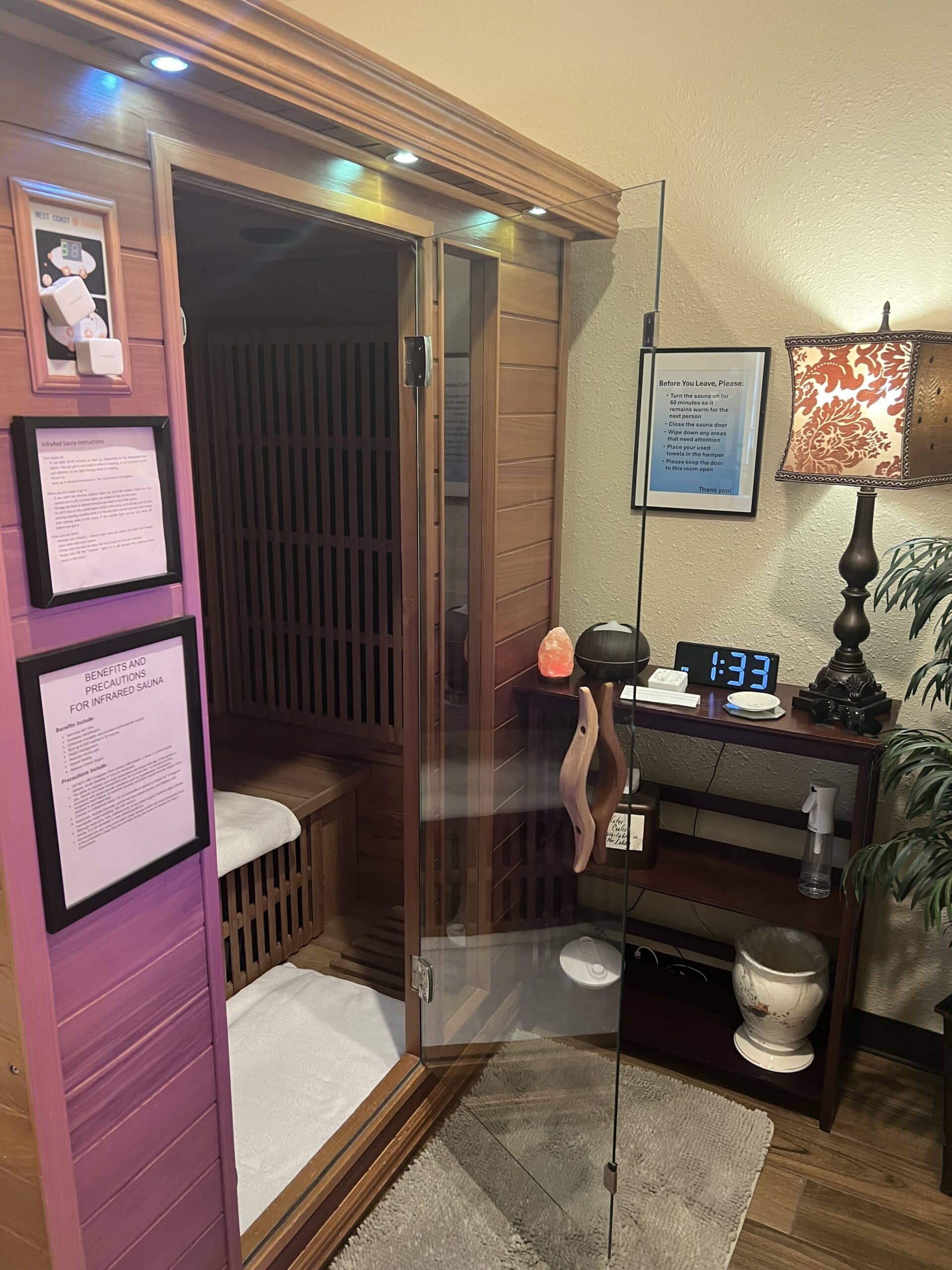
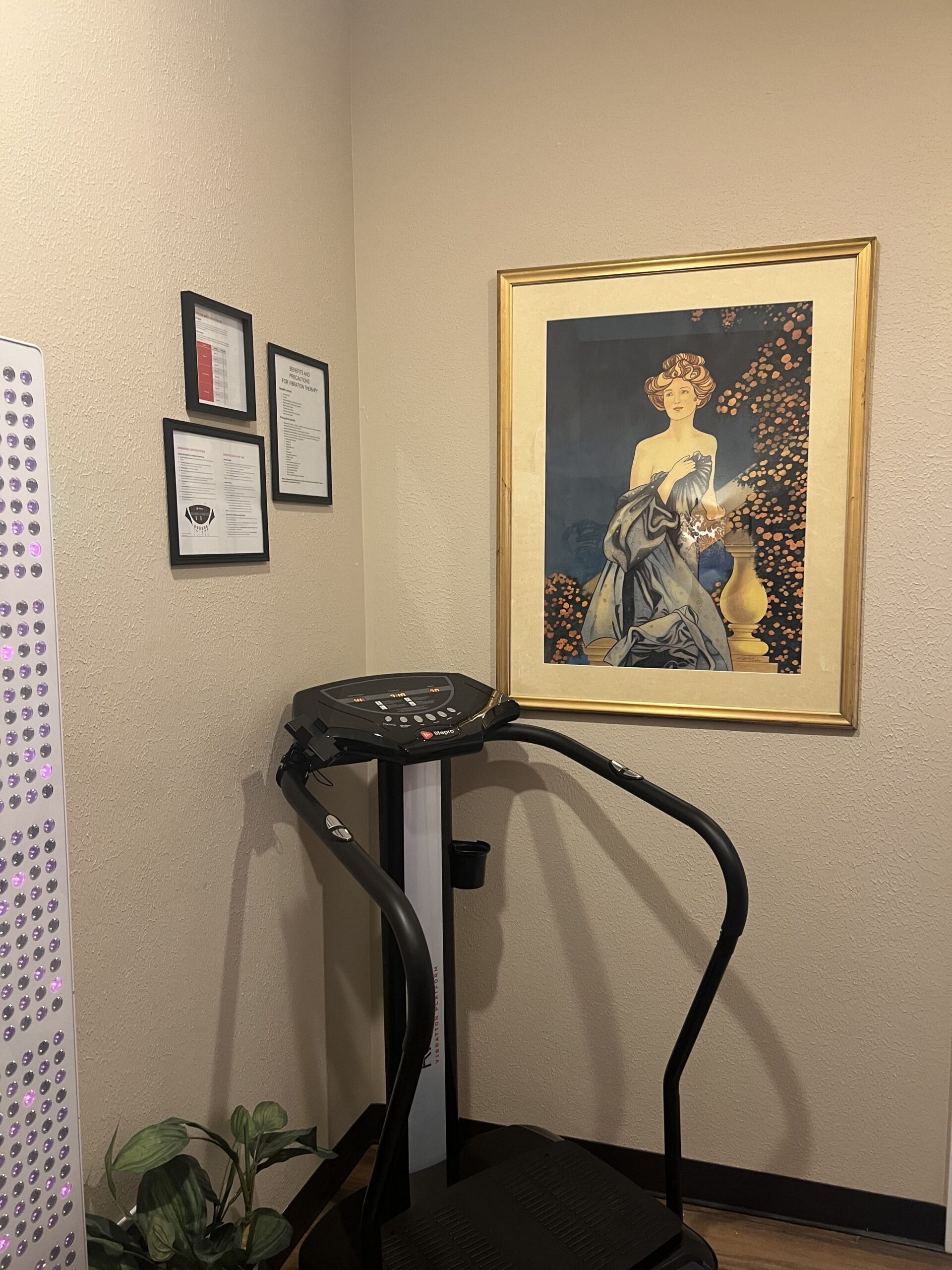
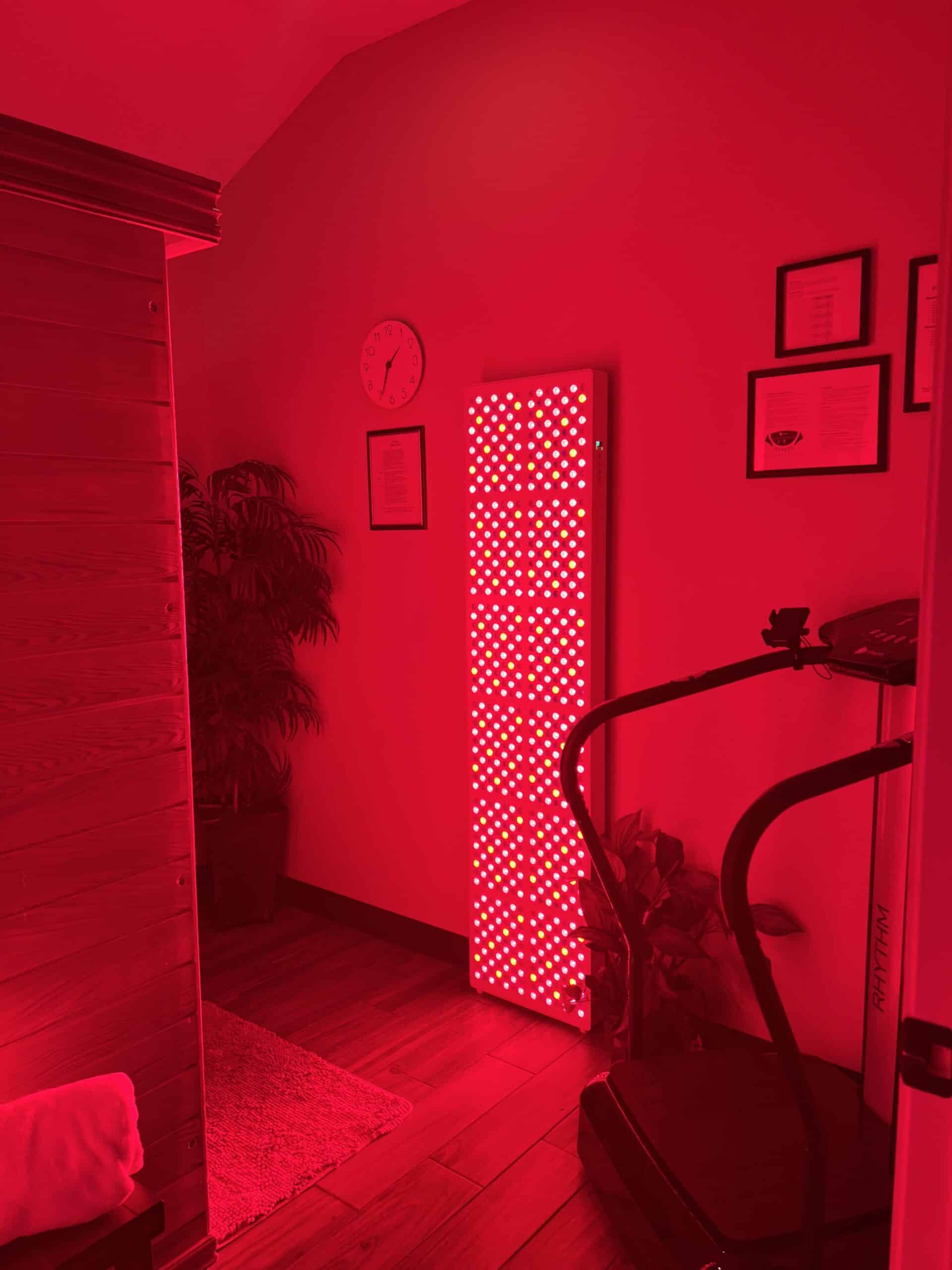
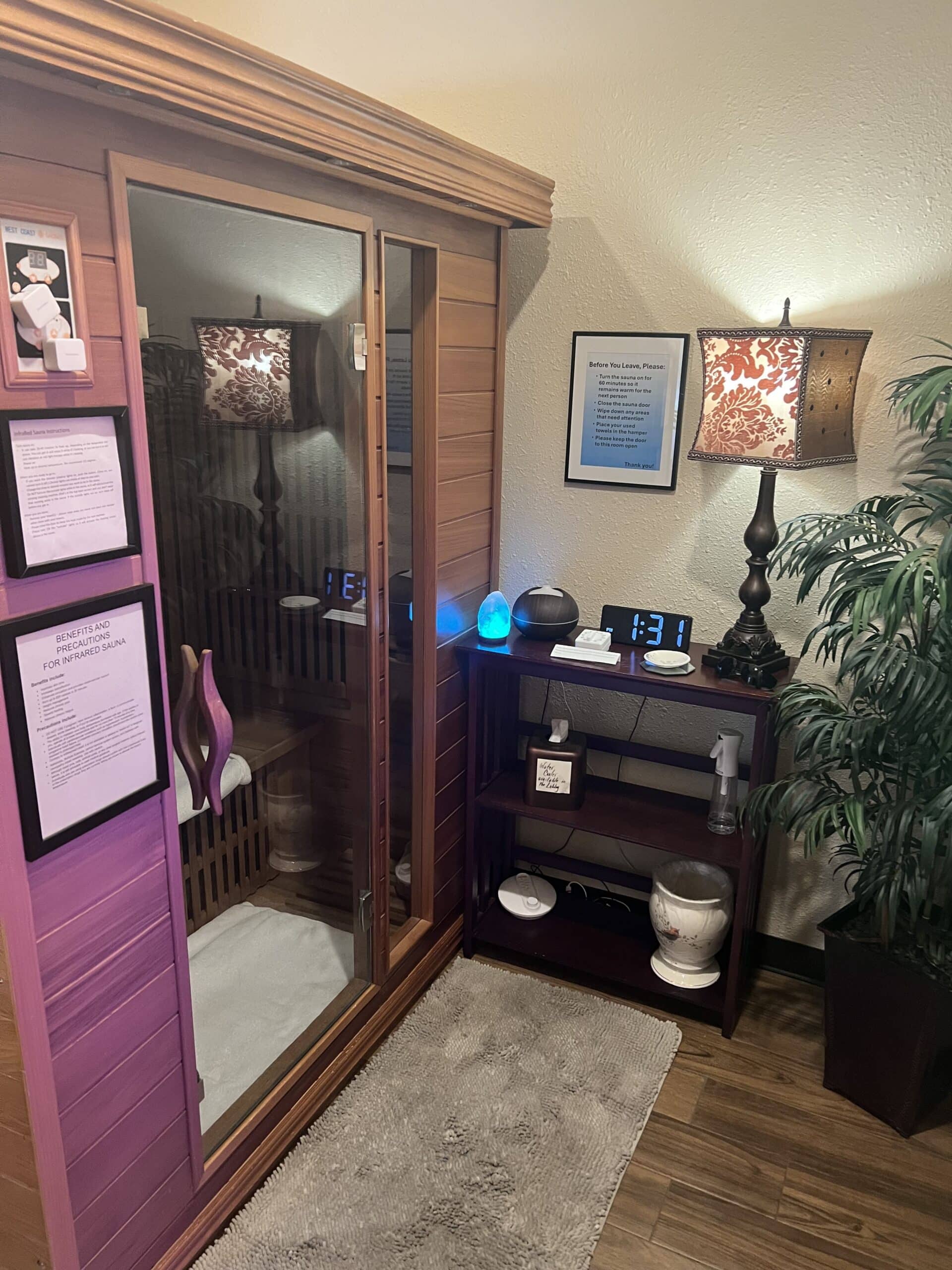
At our practice, we offer commercial-grade, full-body red light therapy in both our Detox & Recovery Room and our Recharge Room.
Rather than wondering whether an inexpensive home device is delivering the appropriate light, intensity and coverage, you can experience a professional system designed for whole-body photobiomodulation.
Red light therapy is an exciting area of research—and we are still learning just how much these specific wavelengths of light can do.
Be Recharged. Be Well.
References
- Son Y, et al. Effechttps://pubmed.ncbi.nlm.nih.gov/40770824/ts of photobiomodulation on multiple health outcomes: an umbrella review of randomized clinical trials. Systematic Reviews. 2025.
- Zein R, Selting W, Hamblin MR. Review of light parameters and photobiomodulation efficacy: dive into complexity. Journal of Biomedical Optics. 2018.
- Rizek R, et al. Impact of Photobiomodulation on T3/T4 Ratio and Quality of Life in Hashimoto Thyroiditis. Lasers in Medical Science. 2020.
- Jeffery G, et al. Morning exposure to deep red light improves declining eyesight. Scientific Reports. 2021.
- Johns Hopkins Medicine. Laser Skin Resurfacing and Other Rejuvenation Treatments.
- Effects of transcranial photobiomodulation in cerebral circulation and brain neural oscillations: a systematic review. Lasers in Medical Science. 2025.