Understanding the Pros, Cons, and Long-Term Perspective of Whole Body MRIs
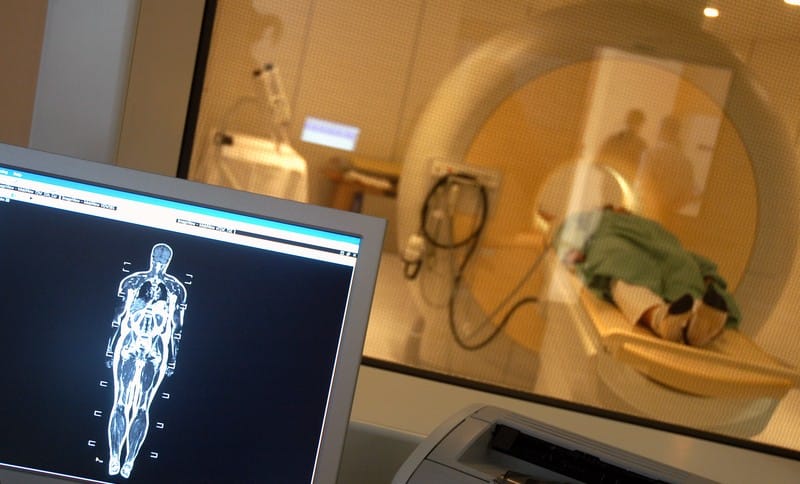
Whole-body MRI is quickly becoming a hot topic in preventive health. As interest in longevity and early disease detection grows, more people are asking whether a full body MRI could provide valuable insight into their health before symptoms appear. Some see it as a promising tool for early detection. Others question whether the benefits justify the expense and potential for unnecessary testing.
So, is a full body MRI worth it? The answer isn’t necessarily the same for everyone. Let’s look at what this technology offers, what the research tells us, and why the decision deserves thoughtful consideration.
Why the Growing Interest?
Advances in imaging technology, increased consumer access, and growing interest in proactive healthcare have helped fuel the popularity of whole-body MRI screening. Commercial imaging companies now market these scans directly to consumers, often emphasizing early detection, convenience, and peace of mind.
There are legitimate reasons for the excitement. An MRI uses magnetic fields and radio waves rather than ionizing radiation, and a whole-body examination can evaluate multiple areas of the body in one session. It may identify certain cancers, structural abnormalities, or other unexpected findings before a person experiences symptoms.
There is also a financial argument: Could finding a serious condition earlier reduce the need for more extensive and expensive treatment later? Potentially. However, we don’t yet have sufficient evidence that routine whole-body MRI screening improves survival, quality of life, or long-term healthcare costs in otherwise healthy, average-risk individuals.
Commercial interest is another part of the conversation. Direct-to-consumer imaging is a growing market, and companies have a financial incentive to sell these services. That doesn’t make the technology without merit, but it does make informed decision-making especially important.
The Pros: What Might a Whole Body MRI Reveal?
A whole-body MRI offers a broad look at anatomical structures throughout much of the body. Depending on the imaging protocol, it may help identify:
- Certain tumors or suspicious masses that warrant further investigation.
- Unexpected abnormalities in organs, bones, or soft tissues.
- Structural changes that may otherwise go unnoticed until symptoms develop.
- Findings that could benefit from additional evaluation or monitoring.
For individuals with certain inherited cancer risks or specific medical conditions, whole-body MRI may already have an established role in surveillance. For others, it may be worth discussing as an additional source of health information.
The Cons: More Information Isn’t Always Better
One of the biggest concerns with full body MRI screening is the number of unexpected findings. These are often called incidental findings or incidentalomas. An abnormality on an image doesn’t automatically mean disease or a serious health concern.
A 2026 systematic review published in the Journal of General Internal Medicine, examining 17 studies involving more than 18,000 people, found that approximately 78% had at least one reported finding. About 15% had a noncancerous finding considered actionable, meaning additional evaluation was recommended. Researchers emphasized that we still don’t know whether discovering these abnormalities improves long-term health outcomes.
An unexpected finding can lead to additional imaging, specialist visits, biopsies, expense, and worry. Some findings turn out to be harmless; others may never cause symptoms or affect a person’s health. This is why a scan should be accompanied by a clear plan for interpreting and following up on its results.
Whole-body MRI also has limitations. It does not detect every cancer or disease, replace recommended screenings such as mammograms and colonoscopies, or measure important aspects of metabolic health, hormone balance, or inflammation.
Looking Beyond One Scan: The Long-Term Perspective
An interesting area of emerging discussion is the potential value of building a personal history of imaging over time.
Think of a single MRI as a snapshot of the body at one particular moment. It may reveal an unexpected finding, but without previous images, it can be difficult to know whether that finding is new, longstanding, or changing.
Consider an example from an emergency room. Someone arrives with abdominal pain, and a CT scan is ordered to investigate possible appendicitis. The scan may reveal an unrelated lung nodule that looks concerning. Without previous images, that finding could trigger additional testing, referrals, and worry.
Now imagine that the patient has several years of previous imaging available. The radiologist can compare the images and discover that the nodule has remained unchanged for years and was already evaluated as harmless. That history may eliminate the need for another round of unnecessary investigation.
This illustrates an important distinction: A single image tells us what something looks like today. A series of images can help us understand what has changed over time.
Having previous images available can give radiologists and healthcare providers valuable context and, in some cases, help avoid unnecessary investigations. This is one reason experts are beginning to explore the potential of longitudinal imaging—looking beyond what an image shows today to understand what may be changing over time.
Routine repeat whole-body MRI screening has not yet been proven to improve longevity or prevent disease. Still, the larger principle is worth considering: health information often becomes more meaningful when viewed over time and in the context of the whole person.
Is a Full Body MRI Worth It for You?
The decision deserves an individual conversation with your healthcare provider. Personal and family health history, risk factors, current symptoms, and existing screening recommendations all matter. It’s also important to understand exactly what an imaging package includes, who interprets the images, and how unexpected findings will be managed.
At The Woodlands Institute for Health & Wellness, we believe informed decisions begin with understanding your individual health goals and needs. Our providers can help guide testing decisions and coordinate appropriate imaging with outside facilities when indicated. Just as importantly, we can help consider imaging results alongside your health history, laboratory testing, and other aspects of your overall health.
The goal isn’t simply to collect more health information. It’s to gather meaningful information that helps you and your provider make better decisions. If you’re considering a whole-body MRI, let’s talk about whether it makes sense as part of your personal health plan.
Be Well.
References
- American College of Radiology (2023): ACR Statement on Screening Total Body MRI — Current professional position on screening asymptomatic, average-risk individuals.
- Journal of General Internal Medicine (2026): The Diagnostic Yield of Whole-Body MRI as a Multi-disease Screening Modality — The 18,043-person systematic review and meta-analysis.
- American Journal of Roentgenology (September 2026): Whole-Body MRI in Asymptomatic Individuals: Promise and Perils — Commercial growth, emerging applications, and unresolved concerns.
- Radiological Society of North America (July 2026): Whole-Body MRI Expands, Leaving Patients Weighing Risks — Excellent background on the growing consumer market.