If you think creatine is only for bodybuilders or young athletes, it may be time to take another look.
Creatine has been around for decades, but it is getting renewed attention because researchers are studying its potential role in healthy aging, muscle preservation, strength, recovery and even brain health.
For men and women over 40, the conversation is especially interesting because maintaining muscle is about much more than looking fit. Muscle supports strength, mobility, metabolism, balance and independence as we age.
What Exactly Is Creatine?
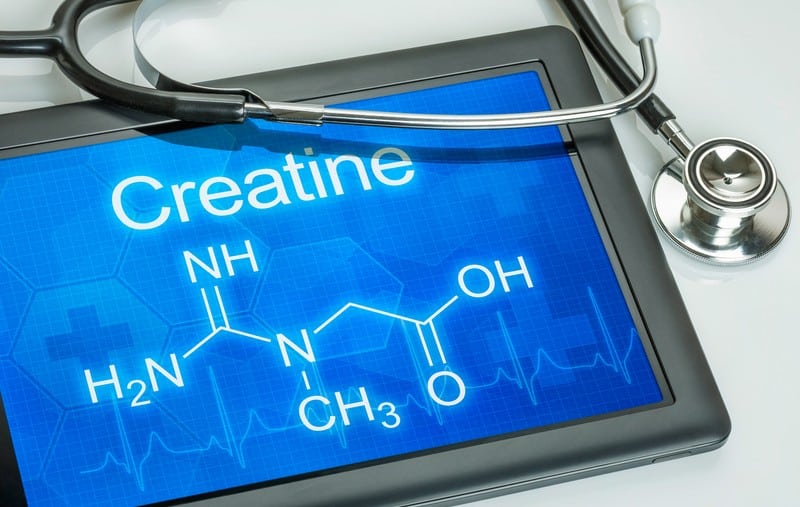
Creatine is a compound your body naturally makes from amino acids (if you want to nerd out, it’s a nitrogenous organic compound, not a peptide or protein). We store most of it in our muscles, where it helps produce ATP—the energy your cells use to do work.
Creatine is found exclusively in animal products, particularly meat, poultry, and seafood.
Think of creatine as part of your body’s quick-access energy system. When your muscles need energy for something demanding—lifting weights, climbing stairs or getting up from a chair—creatine helps replenish the energy needed for those short bursts of activity.
The Muscle Connection
This is where the evidence is strongest.
As we age, we naturally lose muscle mass and strength. That process can eventually affect balance, mobility, metabolism, and independence.
A 2025 systematic review and meta-analysis found that older adults who combined creatine with resistance training gained more lean tissue and had greater gains in leg strength than those who did resistance training alone. Read the research
That makes creatine particularly interesting for adults who are trying to preserve muscle as they get older.
But remember that creatine isn’t a replacement for exercise. Resistance training remains one of the most important tools we have for maintaining muscle as we age.
What About Menopause?
This may be one of the reasons more women are hearing about creatine.
The years surrounding and following menopause can bring accelerated changes in muscle mass and strength. A 2026 systematic review and meta-analysis specifically looking at postmenopausal women included seven randomized controlled trials involving 608 women.
The researchers found that creatine supplementation was associated with a modest increase in lean mass and improved leg-press strength, particularly when combined with resistance training. The study did not find an overall improvement in bone mineral density. Read the research
In other words, creatine shouldn’t be thought of as a “bone supplement.” But for a postmenopausal woman working to maintain muscle and strength, the research is certainly worth paying attention to.
What If You’re Taking a GLP-1?
Here’s another reason creatine is getting attention.
Medications such as Ozempic, Wegovy and Zepbound can help people lose a significant amount of weight. But when the body loses weight, some of that loss will come from muscle as well as fat.
That raises an important question: Can we lose excess fat while protecting our muscle?
We don’t have a clear answer yet. Researchers are beginning to look at whether creatine, especially when combined with resistance training and adequate protein, might help people maintain muscle while losing weight with GLP-1 medications. Moreover, take note that, no matter how the weight is lost, loss of some muscle mass is inevitable.
The research is still new, so we cannot say that creatine prevents muscle loss during GLP-1 treatment. But it is an important question—and one worth discussing with your healthcare provider.
And What About the Brain?
This is another fascinating area of research.
The brain uses creatine as part of its energy system, so researchers are investigating whether increasing creatine availability might support memory and attention.
A 2025 systematic review published in Nutrition Reviews examined creatine and cognition in adults age 55 and older. Five of the six studies reviewed found a positive relationship between creatine and cognitive function, particularly memory and attention. However, the authors emphasized that the evidence is still limited and that better-quality clinical trials are needed. Read the research
So, we wouldn’t call creatine a “brain supplement” just yet. But the research is intriguing.
Is Creatine Safe?
Creatine monohydrate has been studied extensively, and recent research continues to provide reassuring safety data for healthy adults.
One important point: creatine supplementation can cause a small increase in blood creatinine, a common laboratory marker used when evaluating kidney function. That doesn’t necessarily mean the kidneys are being damaged. Recent systematic reviews found that although creatine can raise serum creatinine, it has not been associated with significant changes in measures such as estimated glomerular filtration rate (eGFR). Read the research
That said, individual health circumstances matter. Anyone with kidney disease or other significant medical concerns should discuss creatine with their healthcare provider before taking it.
It is important to hydrate well if taking creatine. Some side effects have been noted, including weight gain (due to water retention), dizziness, nausea, vomiting, diarrhea, and excessive sweating. Usually these can be mitigated by dividing up the amount taken each day into smaller doses.
Is Creatine Right for You?
Creatine may be a simple and well-studied tool for supporting muscle and strength as we age, and the research surrounding menopause and GLP-1 therapy makes it an especially interesting topic.
But supplements aren’t one-size-fits-all.
Your health history, medications, kidney function, diet, exercise routine and individual goals all matter when deciding whether creatine makes sense for you.
If you’re curious about creatine, talk with your healthcare provider. He or she can help determine whether it is appropriate for you and, if so, recommend the form, brand and dose that best fit your individual needs.
We believe that’s the heart of personalized medicine: not taking what everyone else is taking, but determining what is right for you.
Be Well
References
- Liu S, et al. (2025). The impact of creatine supplementation associated with resistance training on muscular strength and lean tissue mass in the aged: a systematic review and meta-analysis. European Review of Aging and Physical Activity. PubMed
- Naddafha S, Antonio J, Kreider RB, Stout JR. (2026). Creatine monohydrate for lean mass, strength, and bone density in postmenopausal women: a systematic review and meta-analysis. PubMed
- Marshall S, et al. (2025). Creatine and Cognition in Aging: A Systematic Review of Evidence in Older Adults. Nutrition Reviews. Research article
- Naeini EK, et al. (2025). Effect of creatine supplementation on kidney function: a systematic review and meta-analysis. BMC Nephrology. Research article
- Creatine supplementation for preventing muscle atrophy in patients taking incretin-based pharmacotherapies: a perspective. Journal of Nutrition & Physiology. (2026). Research article